By Soraya Semmar Alami
“My desire is to see the emancipation of women at every level of development to enable them to contribute and benefit from the socio-economic and political progress of the country.”
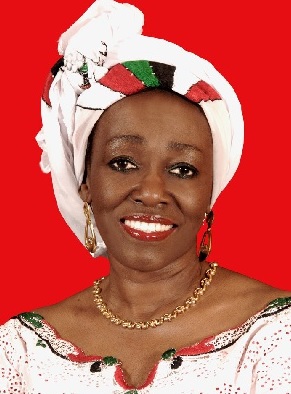
Nana Konadu Agyeman-Rawlings was such a woman. As Ghana’s First Lady for two decades, she reshaped what leadership could mean – not as a ceremonial role, but as a commitment to dignity, opportunity, and empowerment. Her life was guided by a belief she carried into every community she touched: when women are given the chance to rise, the nation rises with them.
In the early 1980s, she founded the 31st December Women’s Movement, a groundbreaking initiative built on community solidarity and practical support. Through this movement, thousands of women accessed literacy programs, vocational training, and health services. More than 800 community-run preschools opened under her leadership, giving rural families access to early childhood education and offering mothers the space to work, learn, and grow. For many, it was the first step toward economic independence and public participation.
Her influence extended far beyond classrooms and community centres. Konadu spoke openly about the social norms that limited girls’ futures – challenging early marriage, harmful practices, and cultural expectations that kept women out of decision-making. She insisted that women deserved not simply survival, but autonomy, respect, and equal access to opportunity. Her voice helped shift Ghana’s national conversation toward the rights and dignity of women and children. She carried this same message onto international platforms as well, representing Ghana at the United Nations and across Africa, ensuring that the voices of women from all backgrounds were heard on the global stage.
She also stepped into political leadership herself. In 2016, she became the first woman in Ghana’s history to contest the presidency – a landmark moment that signaled to future generations that the highest offices of the nation were within their reach. Whether people agreed with her politics or not, her candidacy broke barriers and expanded what was imaginable for women in public life.
Beneath all her work was a consistent message: real social change begins with opportunity. A preschool built in a farming community, a literacy class beneath a tree, a mother learning her rights – these were not small initiatives. They were the seeds of dignity, independence, and stronger families.
Her passing marks the end of an extraordinary chapter in Ghanaian history. It was honoured with a state funeral, a national recognition of her service and her lifelong dedication to the country. Yet her legacy remains alive in every woman who learned to read because of her movement, in every child who entered one of the schools she helped build, and in every girl who dreams boldly because someone like her did first.
Nana Konadu Agyeman-Rawlings will be remembered not only as a First Lady, but as a pioneer – a woman who challenged limitations, uplifted communities, and proved that lasting transformation begins with empowering women. Her impact endures in the lives she changed and the nation she helped shape.